
COLLECTIONS: ANIMALS
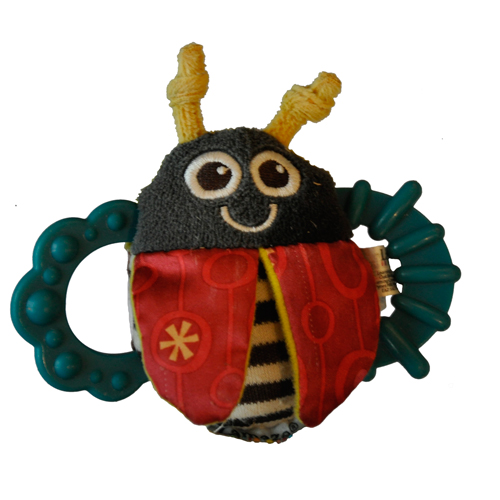
Artifical bee Bees and other small insects had died out in many regions of Europe prior to the passing of the European Bee Act. Disparate communities began to re-create them, using plastics. More advanced models incorporated a sound element - this varied wildly across the regions as people no longer had a folk memory of the insects' natural sound. A few rare prototypes also incorporated a rudimentary flying mechanism. (contributed to the Museum by Dominique Young, itinerant )
|
EXPLORE:
HOME
_____________________
COLLECTIONS

ROAMING GALLERY
_____________________
NEWS / WHAT'S ON
_____________________
JOIN IN
COLLABORATION
_____________________
ABOUT
LINKS
CONTACT
_____________________
COME AND VISIT THE MUSEUM!
If you're in Suffolk,
do come and say hello.
More details here
to see more of Fran's work,
visit www.flyintheface.com
